Articles
** Understanding the Differences Between Filigree and Textured Jewelry
** Understanding the Differences Between Filigree and Textured Jewelry
Meta Description: Discover the unique characteristics of filigree and textured jewelry, including their styles, materials, and care tips. Learn which type suits your style best.
Primary Keyword: Differences Between Filigree and Textured Jewelry
Secondary Keywords: Filigree Jewelry, Textured Jewelry, Fine Jewelry Styles
Introduction to Filigree and Textured Jewelry
When you’re in the market for fine jewelry, choosing between filigree and textured pieces can be a delightful but daunting decision. Each style offers its own unique charm and elegance, reflecting different tastes and preferences. Understanding the nuances between filigree and textured jewelry can help you make an informed choice that aligns with your personal style and occasions.
What is Filigree Jewelry?
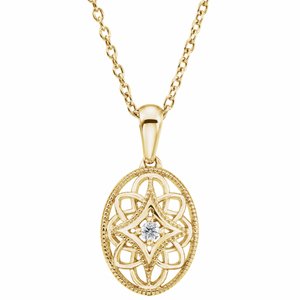
Filigree jewelry is a technique that dates back centuries, characterized by intricate, delicate designs created through the weaving of thin wire. This art form is not only visually stunning but also imbued with a sense of historical craftsmanship. Common materials used in filigree jewelry include sterling silver and gold, often paired with small, sparkling gemstones like diamonds.
Definition and History
Filigree jewelry is known for its fine, intricate patterns that resemble lace or lace-like designs. It has roots in ancient cultures, with the earliest known filigree pieces dating back to the Bronze Age. Over time, the technique has evolved, with artisans from different parts of the world adding their unique twists to the craft.
Common Materials and Gemstones Used
Sterling silver and gold are the primary materials used in filigree jewelry, offering a perfect blend of durability and elegance. The gemstones typically used are small, round diamonds, which add a touch of sparkle and sophistication. The Granulated Filigree Necklace, for example, features a beautiful combination of sterling silver and .05 ctw natural diamonds, capturing light with every move.
What is Textured Jewelry?
Textured jewelry, on the other hand, is all about the tactile experience. This style involves techniques such as hammering, stamping, and etching to create a surface that is both visually and physically interesting. Textured pieces are often crafted from metals like sterling silver and gold, and can be enhanced with a variety of gemstones, though the focus is more on the metal’s natural beauty and the play of light across its surface.
Definition and Common Techniques
Textured jewelry is defined by its varied surface texture, which can range from a smooth, brushed finish to a more rugged, hammered look. The techniques used to create these textures add depth and character to the pieces, making them stand out from traditional smooth-finish jewelry.
Materials and Gemstones Typically Used
Sterling silver and gold are the go-to metals for textured jewelry, due to their ability to hold intricate textures and their lustrous finish. While gemstones can be incorporated, the focus is often on the metal itself. The 2 mm Ultra-Lightweight Paperclip-Style Chain by the Inch is a great example of a textured piece, with its unique chain design offering a modern twist on traditional textures.
How to Choose Between Filigree and Textured Jewelry
Choosing between filigree and textured jewelry comes down to personal preference, the occasion, and the statement you want to make. If you appreciate intricate, delicate designs and are drawn to a more vintage or traditional look, filigree jewelry might be the perfect choice for you. For those who prefer a more contemporary and tactile experience, textured jewelry offers a modern twist that can be both casual and formal.
Shop this article